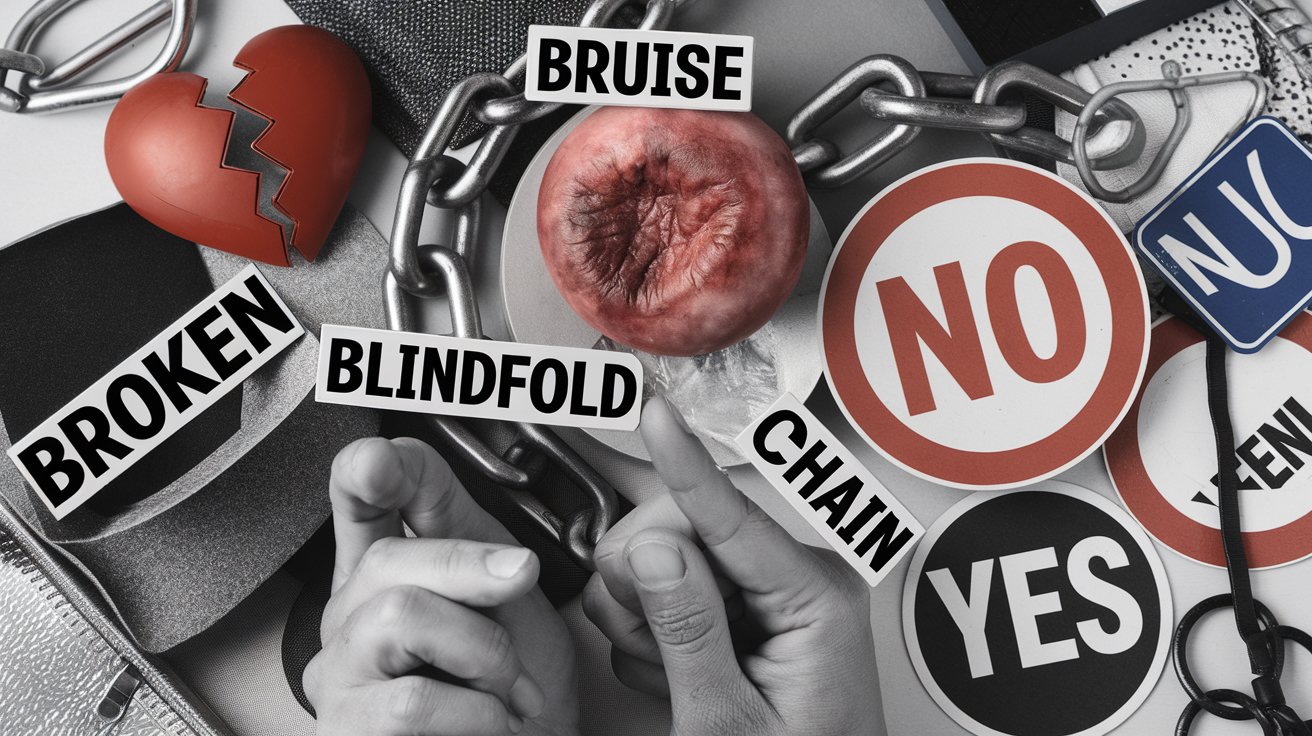
Emotional abuse affects approximately 48.4% of adults in the United States at some point in their lives, according to 2026 National Intimate Partner and Sexual Violence Survey data. Unlike physical abuse, emotional abuse leaves invisible scars that can be equally damaging to mental health and wellbeing. Understanding the warning signs of emotional abuse is the first step toward protecting yourself or helping someone you care about escape a harmful situation.
What Is Emotional Abuse and Why It Matters
Emotional abuse is a pattern of behavior where one person uses words, actions, or neglect to control, manipulate, or harm another person’s emotional wellbeing. Unlike physical abuse, which leaves visible marks, emotional abuse operates through psychological tactics that erode self-esteem, create dependency, and isolate victims from support systems. The effects of emotional abuse can be profound and long-lasting, often requiring professional intervention to heal.
Research from the American Psychological Association in 2026 reveals that emotional abuse victims experience similar brain changes to those who suffer physical trauma. The constant stress from manipulation, criticism, and control triggers chronic activation of stress hormones, leading to anxiety disorders, depression, and post-traumatic stress disorder. Understanding that mental abuse in relationships is never the victim’s fault is crucial for recovery and breaking the cycle of abuse.
The Difference Between Mental and Emotional Abuse
While the terms are often used interchangeably, mental abuse and emotional abuse have subtle distinctions worth understanding. Mental abuse typically refers to tactics that target cognitive functions, such as gaslighting, brainwashing, and mind games that make victims question their reality and sanity. Emotional abuse focuses more on manipulating feelings, using guilt, fear, and shame to control behavior and maintain power in the relationship.
In practice, most abusive relationships involve both mental and emotional abuse tactics simultaneously. A 2026 study published in the Journal of Interpersonal Violence found that 87% of emotional abuse cases also involved mental manipulation techniques. The overlap is significant because abusers rarely limit themselves to one type of psychological harm. Recognizing the indicators of emotional abuse requires understanding how these tactics work together to create a pattern of control and domination.
Sign 1: Constant Criticism and Belittling Behavior
One of the most recognizable signs of emotional abuse is persistent criticism that attacks your character, abilities, or worth as a person. This goes far beyond constructive feedback or occasional disagreement. Emotional abusers use criticism as a weapon to systematically destroy their victim’s self-confidence and create dependency. They may criticize your appearance, intelligence, parenting skills, career choices, or any aspect of your identity in ways that feel increasingly personal and cruel.
The criticism often escalates over time and may occur publicly to maximize humiliation. According to 2026 data from the National Domestic Violence Hotline, 76% of callers reported experiencing regular belittling comments from their partners. Belittling behavior serves multiple purposes for the abuser: it keeps you focused on your perceived flaws rather than questioning their behavior, it isolates you by damaging your confidence in social situations, and it creates a power imbalance where you constantly seek their approval. Victims often describe feeling like they can never do anything right, walking on eggshells to avoid the next critical comment.
Sign 2: Gaslighting and Denial of Your Reality
Gaslighting represents one of the most insidious forms of mental abuse, named after the 1944 film where a husband manipulates his wife into questioning her sanity. This tactic involves the abuser denying your experiences, memories, and perceptions of reality to make you doubt your own judgment. They might insist conversations never happened, claim you’re too sensitive or crazy, or rewrite history to paint themselves as the victim.
The effects of gaslighting are particularly devastating because they attack your fundamental trust in your own mind. A 2026 neuropsychological study from Stanford University found that prolonged gaslighting can actually alter memory formation and retrieval processes in victims. Common gaslighting phrases include statements like “that never happened,” “you’re imagining things,” “you’re too emotional,” or “everyone thinks you’re overreacting.” Over time, victims of gaslighting abuse become so confused about what’s real that they lose confidence in all their perceptions and decisions, making it extremely difficult to leave the relationship or seek help.
Sign 3: Systematic Isolation From Support Systems
Isolation tactics are central to maintaining control in emotionally abusive relationships. The abuser gradually cuts you off from friends, family, coworkers, and anyone who might offer perspective or support. This isolation happens progressively, often starting with subtle criticism of your loved ones, then escalating to creating conflicts that force you to choose between the abuser and others, and finally establishing rules that limit your contact with the outside world.
According to 2026 research from the Centers for Disease Control and Prevention, isolated abuse victims remain in harmful relationships an average of 3.7 years longer than those who maintain strong support networks. The abuser might monitor your phone calls and messages, show up unexpectedly when you’re with friends, create emergencies that prevent you from attending social events, or simply make life so difficult after you see others that you stop trying. This controlling behavior serves to eliminate witnesses to the abuse and remove access to people who might help you recognize the unhealthy patterns or provide resources for leaving.
Sign 4: Emotional Blackmail and Manipulation
Emotional blackmail involves using fear, obligation, and guilt to manipulate your decisions and behavior. The abuser might threaten self-harm if you try to leave, threaten to harm themselves or others you care about, or use your deepest fears and vulnerabilities against you. This tactic creates a sense that you’re responsible for the abuser’s wellbeing, happiness, or even survival, trapping you in the relationship through manufactured guilt and fear.
Common forms of emotional manipulation include threats to damage your reputation, take your children, destroy your career, or reveal embarrassing information. The 2026 National Coalition Against Domestic Violence reports that 64% of emotional abuse cases involve some form of blackmail or coercive threats. Abusers are particularly skilled at identifying what matters most to you and then holding it hostage. They might also use intermittent reinforcement, occasionally being kind or loving just often enough to keep you hoping things will improve, creating a trauma bond that makes leaving feel impossible despite the ongoing harm.
Sign 5: Excessive Control Over Your Choices and Freedom
Controlling behavior in emotionally abusive relationships extends far beyond normal relationship compromise or shared decision-making. The abuser attempts to control every aspect of your life, from what you wear and eat to where you go, who you see, how you spend money, and even how you think. This control may be exercised through direct demands and rules, or through more subtle manipulation that makes you feel guilty for wanting independence.
Financial control is particularly common, with the abuser restricting access to money, monitoring every purchase, or sabotaging your employment to create economic dependency. A 2026 study from the Economic Policy Institute found that financial abuse occurs in 78% of emotionally abusive relationships. The abuser might also control your schedule, demand to know your whereabouts at all times through constant calls or tracking apps, dictate your appearance, or make unilateral decisions about major life choices. This dominating behavior strips away your autonomy and reinforces the message that you’re incapable of making good decisions without the abuser’s guidance and approval.
Sign 6: Blame-Shifting and Refusal to Accept Responsibility
A hallmark of emotional abuse patterns is the abuser’s complete inability or unwillingness to take responsibility for their harmful actions. Instead, they consistently shift blame onto you, making you feel responsible for their abusive behavior. They might say things like “you made me so angry I had no choice” or “if you hadn’t done that, I wouldn’t have reacted this way.” This blame-shifting serves to deflect accountability and keep you focused on fixing yourself rather than addressing their behavior.
The psychological manipulation involved in blame-shifting is particularly damaging because it distorts cause and effect in the relationship. Over time, victims internalize this blame and genuinely believe they’re causing the abuse through their own shortcomings. According to 2026 data from the American Psychiatric Association, 82% of emotional abuse survivors initially blamed themselves for the mistreatment they experienced. Abusers may also position themselves as the real victim, claiming you’re the one being unreasonable, abusive, or difficult. This reversal keeps you off-balance and constantly trying to prove you’re not the problem, while the actual abusive behavior patterns continue unchallenged.
Sign 7: Unpredictable Mood Swings and Walking on Eggshells
Living with someone whose mood swings are unpredictable creates a constant state of hypervigilance and anxiety. You never know what will trigger an angry outburst, silent treatment, or emotional attack, so you become hyperaware of every word and action, constantly adjusting your behavior to avoid setting them off. This walking on eggshells sensation is exhausting and prevents you from ever feeling safe or relaxed in your own home or relationship.
The unpredictability serves an important function for the abuser by keeping you focused on their emotional state rather than your own needs or the relationship problems. A 2026 neuroscience study from Johns Hopkins University found that chronic exposure to unpredictable emotional volatility changes brain structures related to threat detection and stress response. You might find yourself constantly monitoring their facial expressions, tone of voice, and body language, trying to predict and prevent the next explosion. This emotional instability from the abuser often cycles between extreme negativity and brief periods of normalcy or affection, creating confusion about whether the relationship is truly abusive or just going through a rough patch.
Physical and Psychological Symptoms of Emotional Abuse
While emotional abuse doesn’t leave visible bruises, it manifests in numerous physical signs and symptoms that reflect the toll on your body and mind. Victims commonly experience chronic headaches, digestive issues, muscle tension, fatigue, and a weakened immune system due to sustained stress. The 2026 National Health Interview Survey found that individuals experiencing emotional abuse were 3.2 times more likely to report chronic pain conditions and 4.1 times more likely to have diagnosed anxiety disorders compared to the general population.
Psychological symptoms are equally severe and often include depression, anxiety, panic attacks, difficulty concentrating, memory problems, and intrusive thoughts about the relationship. Many emotional abuse survivors describe feeling numb, disconnected from their emotions, or experiencing dissociation as a coping mechanism. Sleep disturbances are nearly universal, whether insomnia from hypervigilance or excessive sleeping as an escape. You might also notice changes in appetite, loss of interest in activities you once enjoyed, feelings of hopelessness about the future, or thoughts of self-harm. These symptoms of emotional abuse are your body and mind’s response to ongoing trauma and should never be dismissed as personal weakness or character flaws.
Recognizing Narcissistic Abuse Patterns
Narcissistic abuse represents a specific type of emotional abuse perpetrated by individuals with narcissistic personality traits or full narcissistic personality disorder. These abusers combine many of the tactics mentioned above with additional patterns rooted in their pathological self-centeredness, lack of empathy, and need for constant admiration. Understanding signs of narcissistic abuse is crucial because these relationships follow predictable cycles that can help victims recognize the pattern and seek help.
The narcissistic abuse cycle typically involves four stages: idealization, devaluation, discard, and hoover. During idealization, the narcissist showers you with attention, affection, and promises, creating an intense bond quickly. Devaluation begins when they start criticizing, manipulating, and undermining you. The discard phase involves emotional abandonment or actual ending of the relationship when you no longer serve their needs. Finally, the hoover occurs when they attempt to draw you back in with apologies or renewed affection. According to 2026 research from the Cleveland Clinic, narcissistic abuse victims experience particularly severe trauma bonds and complex PTSD symptoms due to these unpredictable cycles. The narcissist’s complete lack of genuine empathy, combined with their skill at impression management with outsiders, makes this form of abuse especially difficult for victims to identify and for others to believe.
Effects of Emotional Abuse on Women and Long-Term Impact
While anyone can experience emotional abuse regardless of gender, research consistently shows that women face distinct challenges and outcomes. The effects of emotional abuse on women are compounded by societal factors including economic inequality, caregiving responsibilities, and cultural conditioning that encourages women to prioritize relationships and others’ needs over their own wellbeing. A 2026 analysis by the Institute for Women’s Policy Research found that women who experienced emotional abuse reported 45% higher rates of chronic health conditions and 38% lower lifetime earnings compared to non-abused peers.
Women experiencing emotional abuse often struggle with what researchers call “learned helplessness,” where repeated experiences of having no control lead to giving up attempts to change the situation even when opportunities exist. The impact extends beyond the relationship itself, affecting parenting capacity, career advancement, future relationships, and overall quality of life for years or even decades after the abuse ends. Female survivors of emotional abuse frequently report difficulty trusting their own judgment, forming healthy relationships, setting boundaries, and maintaining self-esteem. The intersection of emotional abuse with other factors like economic dependence, children, and lack of family support creates unique barriers to leaving that must be addressed through comprehensive support services and community resources specifically designed for women’s circumstances and needs.
Using an Emotional Abuse Checklist for Self-Assessment
A comprehensive emotional abuse checklist provides a structured way to evaluate your relationship against recognized warning signs and patterns. Because emotional abuse typically escalates gradually and involves psychological manipulation that clouds judgment, having an objective tool can help you see the situation more clearly. Mental health professionals in 2026 emphasize that recognizing even three to five items on a detailed checklist may indicate an unhealthy or abusive dynamic that warrants professional consultation.
Key items to assess include whether your partner regularly criticizes or humiliates you, controls your activities or choices, isolates you from support systems, denies or minimizes your feelings, blames you for their behavior, has extreme mood swings, threatens consequences if you don’t comply, monitors your communications, controls finances, dismisses your achievements, or makes you feel worthless or crazy. The signs of emotional abuse checklist should also evaluate how you feel in the relationship: constantly anxious or on edge, afraid of your partner’s reactions, questioning your own perceptions, making excuses for their behavior, feeling trapped, or believing you deserve the treatment you receive. Remember that checklists are screening tools, not diagnostic instruments, but they can validate your experiences and provide the clarity needed to take protective action or seek professional help.
How to Get Help and Support Resources in 2026
Taking the first step to get help for emotional abuse requires tremendous courage, especially when the abuse has eroded your confidence and support systems. In 2026, the United States offers expanded resources specifically designed for emotional abuse victims, recognizing that this form of harm requires intervention even without physical violence. The National Domestic Violence Hotline at 1-800-799-7233 provides 24/7 confidential support, safety planning, and referrals to local services, with specialized counselors trained in emotional abuse dynamics.
Professional therapy, particularly trauma-focused cognitive behavioral therapy or EMDR, has shown remarkable effectiveness in helping emotional abuse survivors heal and rebuild their lives. The 2026 expansion of telehealth services has made therapy more accessible, with many insurance plans now covering domestic violence counseling with minimal copays. Local domestic violence organizations offer free support groups, legal advocacy, safety planning, and in some cases emergency shelter even for those experiencing emotional abuse without physical violence. Creating a safety plan is crucial and should include securing important documents, establishing financial independence when possible, building or rebuilding your support network, documenting the abuse, and identifying safe people and places. Remember that leaving an emotionally abusive relationship is often the most dangerous time, so professional guidance in planning your exit is essential for your safety and wellbeing.
Related video about what are the 7 signs of emotional abuse
This video complements the article information with a practical visual demonstration.
FAQ – Common Questions
What are 10 indicators of emotional abuse?
The 10 key indicators of emotional abuse include constant criticism or belittling, gaslighting and reality denial, isolation from friends and family, emotional blackmail or threats, excessive control over decisions and activities, blame-shifting and refusing responsibility, unpredictable mood swings, humiliation in public or private, dismissing or invalidating your feelings, and creating a fear-based environment where you walk on eggshells. According to 2026 clinical guidelines, experiencing three or more of these indicators consistently suggests an abusive relationship pattern that requires professional evaluation and intervention.
What are the five main signs of emotional abuse?
The five main signs of emotional abuse that mental health professionals prioritize include controlling behavior that restricts your freedom and choices, consistent criticism that attacks your self-worth, gaslighting that makes you question reality, isolation tactics that cut you off from support systems, and blame-shifting where the abuser never accepts responsibility for harmful actions. Research from 2026 shows that these five patterns appear in 94% of clinically recognized emotional abuse cases and create the foundation for more complex abuse dynamics.
How do you know if you’re experiencing narcissistic abuse?
Narcissistic abuse has distinct characteristics including an initial love-bombing phase with excessive attention, sudden devaluation where you can’t do anything right, triangulation where they compare you unfavorably to others, projection where they accuse you of behaviors they themselves exhibit, and cycles of discard and hoovering where they push you away then pull you back. The 2026 Diagnostic and Statistical Manual emphasizes that narcissistic abusers lack genuine empathy, require constant admiration, have an inflated sense of importance, and view relationships as transactions to meet their needs rather than mutual partnerships.
Can emotional abuse cause physical health problems?
Yes, emotional abuse causes significant physical health problems due to chronic stress activation. The 2026 American Medical Association reports that emotional abuse victims experience elevated rates of cardiovascular disease, autoimmune disorders, chronic pain conditions, gastrointestinal issues, and weakened immune function. The sustained stress hormones like cortisol damage multiple body systems over time. Neurological research shows emotional abuse can alter brain structures related to memory, emotion regulation, and stress response, leading to lasting physical and psychological health consequences that require comprehensive medical and mental health treatment.
What should I do if I recognize these signs in my relationship?
If you recognize signs of emotional abuse in your relationship, prioritize your safety by first documenting the abuse, reaching out confidentially to the National Domestic Violence Hotline at 1-800-799-7233, and consulting with a therapist who specializes in abusive relationships. Create a safety plan before taking action, as leaving can be dangerous. According to 2026 safety protocols, gather important documents, establish financial independence when possible, rebuild connections with trusted friends or family, and consider legal protections like restraining orders if necessary. Professional guidance is essential because emotional abusers often escalate when they sense loss of control, and trained advocates can help you navigate the process safely.
Is emotional abuse as serious as physical abuse?
Yes, emotional abuse is equally serious as physical abuse and in some ways can be more damaging because the wounds are invisible and often unrecognized. The 2026 National Institute of Mental Health confirms that emotional abuse causes similar brain changes, trauma responses, and long-term psychological damage as physical violence. Victims of severe emotional abuse show comparable rates of PTSD, depression, anxiety disorders, and suicidal ideation as physical abuse survivors. The psychological harm from systematic degradation, control, and manipulation can last decades and affect all areas of life, making emotional abuse a serious public health concern that deserves the same recognition, resources, and intervention as physical violence.
| Warning Sign | How It Manifests | Impact on Victim |
|---|---|---|
| Constant Criticism | Persistent attacks on character, abilities, and worth that destroy confidence | Eroded self-esteem, dependency on abuser approval, social withdrawal |
| Gaslighting | Denying reality, rewriting history, making victim doubt their perceptions | Confusion, loss of trust in own judgment, difficulty making decisions |
| Isolation Tactics | Cutting off contact with friends, family, and support systems | Removed safety net, increased dependency, no witnesses to abuse |
| Emotional Blackmail | Using fear, obligation, and guilt to manipulate behavior and decisions | Feeling trapped, manufactured guilt, fear of consequences for leaving |
| Controlling Behavior | Dictating choices, monitoring activities, restricting freedom and finances | Loss of autonomy, economic dependency, inability to leave relationship |
| Blame-Shifting | Never accepting responsibility, making victim feel responsible for abuse | Self-blame, focus on fixing self rather than addressing abuse pattern |
| Mood Swings | Unpredictable emotional volatility creating constant state of vigilance | Chronic anxiety, hypervigilance, walking on eggshells, exhaustion |