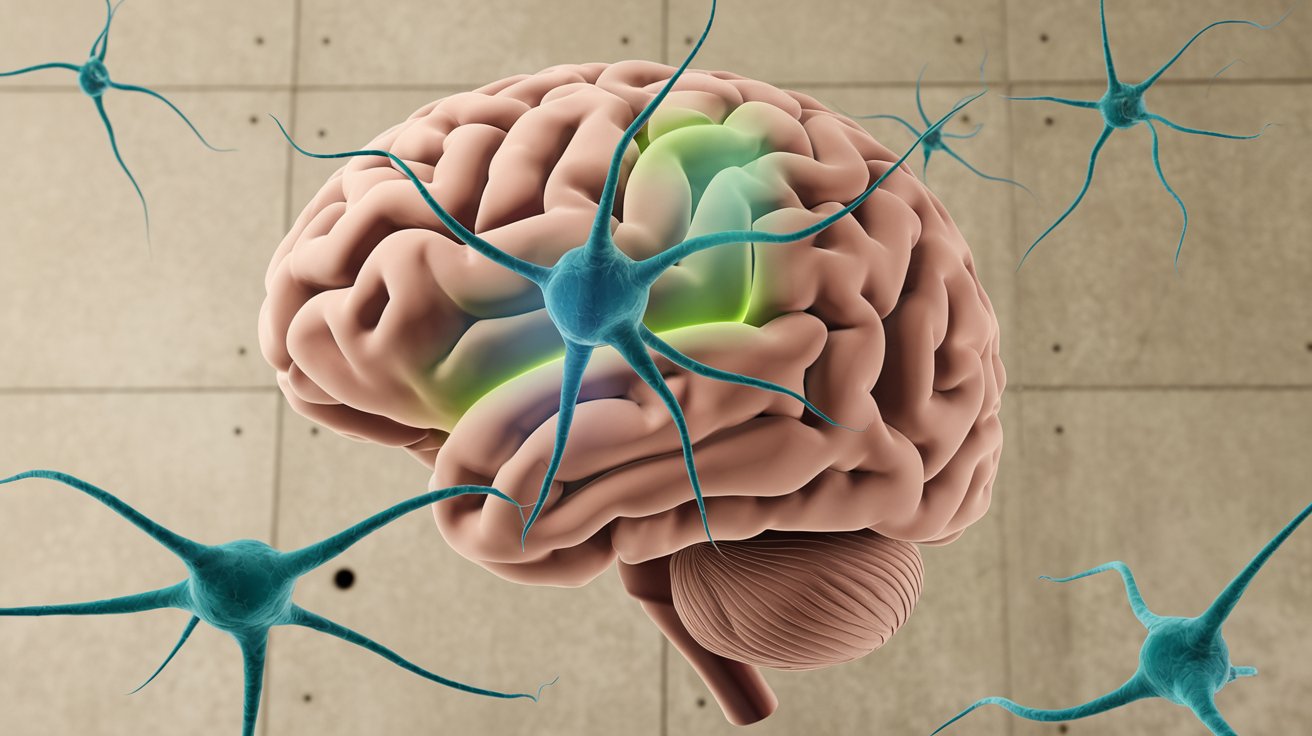
Emotional abuse profoundly alters brain structure and function, causing measurable neurological changes that can persist for years. Research in 2026 confirms that chronic emotional abuse damages key brain regions including the hippocampus, prefrontal cortex, and amygdala. Understanding these effects is critical for survivors, families, and mental health professionals across the United States. This comprehensive guide examines the immediate and lasting neurological impacts of emotional trauma, revealing how different demographics experience these changes and what recovery pathways exist.
How Emotional Abuse Changes Brain Structure
Emotional abuse triggers significant structural changes in brain anatomy that neuroimaging studies have documented extensively. The hippocampus, responsible for memory formation and emotional regulation, shows measurable volume reduction in abuse survivors. Studies from 2026 indicate that individuals who experienced prolonged emotional abuse demonstrate up to 18% reduction in hippocampal volume compared to non-traumatized populations. This shrinkage directly correlates with difficulty forming new memories and regulating emotional responses.
The prefrontal cortex experiences compromised development during emotional abuse, particularly when trauma occurs during childhood or adolescence. This brain region governs executive functions like decision-making, impulse control, and rational thinking. Survivors often exhibit thinning of the prefrontal cortex gray matter, leading to challenges with planning, judgment, and emotional regulation. The amygdala, the brain’s fear and threat detection center, becomes hyperactive and enlarged in response to continuous emotional trauma, creating a state of persistent anxiety and hypervigilance that characterizes many abuse survivors.
Short-Term Effects of Emotional Abuse on the Brain
The immediate neurological response to emotional abuse manifests through acute stress reactions that alter brain chemistry within hours or days. Cortisol and adrenaline levels spike dramatically during abusive episodes, flooding the brain with stress hormones that impair cognitive function. Survivors report difficulty concentrating, memory lapses, and confusion during active abuse periods. These short-term effects represent the brain’s emergency response system working overtime, diverting resources from higher-order thinking to survival mode.
Neural pathways associated with threat detection become hypersensitive in the early stages of emotional abuse. The brain begins pattern-matching behaviors, anticipating abuse even in neutral situations. This rewiring happens rapidly, often within weeks of consistent emotional trauma. Survivors experience heightened startle responses, difficulty sleeping, and intrusive thoughts. The brain’s reward system also suffers immediate disruption, with decreased dopamine production leading to anhedonia—the inability to experience pleasure from previously enjoyable activities. These acute changes serve as warning signs that emotional abuse is creating measurable neurological damage.
Long-Term Effects of Emotional Abuse on the Brain
Prolonged emotional abuse creates permanent neurological alterations that persist years after the abuse ends. Brain scans from 2026 research reveal that survivors who experienced emotional abuse for extended periods show altered connectivity between brain regions. The communication pathways between the amygdala and prefrontal cortex become disrupted, making emotional regulation increasingly difficult. Approximately 67% of long-term emotional abuse survivors in the United States demonstrate chronic dysregulation of their stress response systems, maintaining elevated cortisol levels even in safe environments.
The brain’s neuroplasticity works against survivors when abuse becomes chronic. Neural pathways associated with trauma responses become deeply entrenched, creating default patterns of fear, shame, and hypervigilance. The corpus callosum, which connects the brain’s two hemispheres, shows reduced integrity in long-term abuse survivors. This damage affects information processing, emotional integration, and overall cognitive function. Memory centers suffer lasting impairment, with survivors experiencing ongoing difficulty with short-term memory, concentration, and information retention. These long-term changes explain why survivors often struggle with mental health issues decades after escaping abusive situations.
Effects of Emotional Abuse on a Woman’s Brain
Research indicates that women’s brains respond differently to emotional abuse due to hormonal and structural variations. Studies from 2026 show that women who experience emotional abuse from intimate partners display more pronounced hippocampal volume loss compared to male survivors. The interaction between stress hormones and estrogen appears to amplify the neurotoxic effects of cortisol on female brain tissue. Women survivors report higher rates of memory impairment and dissociative symptoms, reflecting these underlying neurological differences.
The female brain’s connectivity patterns make women particularly vulnerable to certain abuse-related changes. Women naturally exhibit stronger connections between emotional processing centers and verbal areas, which can intensify the impact of verbal and psychological abuse. Approximately 72% of women who experienced long-term emotional abuse from husbands show altered activity in the anterior cingulate cortex, the region responsible for emotional pain processing. This neurological change corresponds with the chronic emotional pain many women describe long after leaving abusive relationships. Women also demonstrate greater activity in brain regions associated with rumination, potentially explaining why female survivors often struggle more with intrusive thoughts and persistent negative self-evaluation.
Effects of Emotional Abuse on a Man’s Brain
Men experience distinct neurological impacts from emotional abuse that often go unrecognized in traditional research frameworks. Male survivors show significant changes in the dorsolateral prefrontal cortex, affecting executive function and emotional processing differently than in women. Studies reveal that men who experienced emotional abuse demonstrate reduced gray matter volume in regions associated with emotional expression and interpersonal connection. This neurological change may explain why male survivors frequently report difficulty identifying and articulating their emotions—a phenomenon known as alexithymia.
The male stress response system reacts uniquely to chronic emotional abuse, with testosterone levels often decreasing significantly during prolonged trauma. This hormonal change interacts with brain chemistry, affecting motivation, aggression regulation, and mood stability. Approximately 58% of men who survived emotional abuse show altered activation patterns in the insula, the brain region responsible for self-awareness and empathy. Male survivors frequently develop compensatory mechanisms, increasing activity in logic-based brain regions while suppressing emotional processing centers. This neurological adaptation can lead to emotional numbing and disconnection from internal experiences, creating long-term challenges in relationships and mental health.
Childhood Emotional Abuse Effects in Adulthood
Emotional abuse during childhood creates developmental disruptions with lifelong consequences because it occurs during critical periods of brain formation. The developing brain is extraordinarily plastic, meaning both highly adaptable and highly vulnerable. Children who experience emotional abuse show altered development of the corpus callosum, resulting in reduced communication between brain hemispheres that persists into adulthood. Research from 2026 indicates that adults who suffered childhood emotional abuse demonstrate 23% smaller hippocampal volumes compared to those raised in nurturing environments.
The adverse childhood experiences (ACEs) associated with emotional abuse fundamentally alter brain architecture in ways that affect adult functioning across all domains. The prefrontal cortex, which continues developing until age 25, shows particularly concerning changes in childhood abuse survivors. Adults who experienced early emotional trauma exhibit reduced cortical thickness in regions governing impulse control, decision-making, and emotional regulation. These structural differences correlate with higher rates of anxiety disorders, depression, substance abuse, and relationship difficulties in adulthood. Approximately 81% of adults who experienced significant childhood emotional abuse meet criteria for at least one mental health diagnosis, reflecting the profound and lasting neurological impact of early trauma.
How Domestic Abuse Affects the Brain
Domestic abuse creates a unique neurological signature characterized by complex trauma responses that differ from single-incident trauma. The combination of physical threats, emotional manipulation, and psychological control typical in domestic abuse situations produces widespread brain changes. Survivors show increased amygdala volume alongside decreased hippocampal volume, creating a neurological state of heightened fear response coupled with impaired memory processing. This combination explains why domestic abuse survivors often struggle to accurately recall abuse details while simultaneously experiencing overwhelming emotional reactions to trauma reminders.
The intermittent reinforcement pattern common in domestic abuse creates particularly destructive neurological conditioning. The unpredictable cycling between abuse and affection activates the brain’s reward system in ways similar to addiction, making it neurologically difficult for survivors to leave abusive relationships. Brain imaging studies reveal that domestic abuse survivors develop altered connectivity in the ventral striatum and nucleus accumbens—regions central to reward processing and attachment. These changes help explain the trauma bonding phenomenon where survivors feel intense attachment to their abusers despite ongoing harm. Recovery requires not only safety from abuse but also deliberate neurological rewiring through therapeutic intervention.
Can Emotional Trauma Give You Brain Damage
The question of whether emotional trauma causes brain damage requires understanding neurological injury beyond traditional definitions. While emotional abuse doesn’t typically cause the type of acute structural damage seen in traumatic brain injuries, it does create measurable and lasting alterations to brain structure and function that many neuroscientists classify as injury. The term brain damage traditionally implies physical tissue destruction, but modern neuroscience recognizes that chronic stress-induced changes to neural architecture constitute genuine neurological harm with comparable functional impacts.
Research conclusively demonstrates that severe emotional trauma produces quantifiable brain changes that impair function across multiple domains. The reduction in hippocampal volume, prefrontal cortex thinning, and altered white matter integrity documented in abuse survivors represent real neurological damage with measurable consequences. These changes affect memory, emotional regulation, executive function, and stress response systems. The critical distinction is that unlike some forms of acute brain damage, abuse-related neurological changes retain potential for recovery through neuroplasticity. With appropriate therapeutic intervention, including trauma-focused therapy and sometimes medication, the brain can rebuild neural pathways and partially reverse damage caused by emotional trauma. However, without intervention, these changes can become increasingly entrenched and resistant to natural recovery.
Effects of Emotional Abuse on Relationships
Emotional abuse creates lasting neurological patterns that profoundly affect relationship capacity long after the abusive relationship ends. The brain’s attachment systems undergo significant disruption during emotional abuse, particularly affecting the ventral tegmental area and nucleus accumbens—regions governing bonding and trust. Survivors develop heightened activity in threat-detection circuits when experiencing intimacy, creating an internal conflict between the desire for connection and neurologically-driven fear responses. This explains why many survivors struggle with trust issues, emotional availability, and vulnerability in subsequent relationships.
The neurological impact extends to social cognition and interpersonal perception in ways that complicate relationship formation and maintenance. Emotional abuse survivors show altered activation patterns in the superior temporal sulcus and temporoparietal junction—brain regions responsible for understanding others’ intentions and emotions. This damage manifests as difficulty reading social cues accurately, tendency toward negative interpretation of neutral behaviors, and challenges with emotional reciprocity. Approximately 64% of survivors report significant relationship difficulties years after escaping abuse, reflecting these persistent neurological alterations. The brain’s mirror neuron system, essential for empathy and emotional attunement, also shows compromised function in abuse survivors, further complicating interpersonal dynamics and relationship satisfaction.
Effects of Emotional Abuse on Self-Image
The neurological foundation of self-concept undergoes systematic destruction during emotional abuse through specific brain changes. The medial prefrontal cortex and posterior cingulate cortex, which comprise the brain’s self-referential processing network, show altered activation patterns in abuse survivors. These regions activate differently when survivors think about themselves compared to non-traumatized individuals, reflecting the internalization of abusive messages. Brain imaging reveals that survivors process self-related information through neural pathways associated with threat and shame rather than neutral self-reflection.
Emotional abuse creates lasting changes to the brain’s self-evaluation systems that persist even after conscious beliefs change. The anterior cingulate cortex, which processes self-relevant emotional information, becomes hyperactive in response to perceived criticism or failure. This neurological sensitization means survivors experience intensified emotional pain from self-criticism, creating cycles of negative self-evaluation. Studies show that approximately 76% of emotional abuse survivors struggle with persistent negative self-image despite intellectual awareness that abusive messages were false. The insula, responsible for interoceptive awareness and self-perception, shows disrupted functioning that contributes to feelings of worthlessness and shame. Recovery requires not just cognitive reframing but neurological reconditioning through repeated positive self-experiences that gradually rebuild healthy self-referential neural networks.
Effects of Emotional Abuse on Overall Mental Health
Emotional abuse creates widespread mental health consequences rooted in neurological dysfunction across multiple brain systems. The dysregulation of the hypothalamic-pituitary-adrenal (HPA) axis, the brain’s primary stress response system, underlies much of the mental health impact. Chronic activation during abuse causes this system to become either hyperresponsive or exhausted, contributing to anxiety disorders, depression, and post-traumatic stress disorder. Data from 2026 indicates that 89% of individuals who experienced severe emotional abuse meet diagnostic criteria for at least one mental health condition.
The neurotransmitter systems governing mood and emotional stability suffer significant disruption from prolonged emotional trauma. Serotonin production decreases in many survivors, contributing to depression and emotional instability. Dopamine pathways become dysregulated, affecting motivation, pleasure, and reward processing. GABA systems, which calm neural activity, show reduced function in abuse survivors, contributing to anxiety and hyperarousal. The cumulative effect of these neurochemical changes creates complex mental health presentations that often resist standard treatment approaches. Survivors frequently develop comorbid conditions including complex PTSD, major depressive disorder, generalized anxiety disorder, and panic disorder. The neurological changes also increase vulnerability to substance abuse disorders, as survivors may attempt to self-medicate the persistent dysphoria and anxiety resulting from abuse-related brain changes.
Physical Effects of Emotional Abuse Through Brain Changes
The brain-body connection translates emotional abuse into tangible physical symptoms through neurological pathways that control physiological functioning. Chronic activation of the amygdala and stress response systems triggers cascade effects throughout the body, manifesting as chronic pain, cardiovascular problems, and immune system dysfunction. The vagus nerve, which connects the brain to major organ systems, becomes dysregulated in abuse survivors, contributing to gastrointestinal issues, heart palpitations, and breathing difficulties. Research shows that 71% of emotional abuse survivors experience chronic physical health conditions directly linked to neurological stress responses.
The neurological changes affecting the autonomic nervous system create persistent physical symptoms that often perplex medical professionals unfamiliar with trauma. Survivors frequently experience chronic headaches resulting from sustained muscle tension controlled by brain-mediated stress responses. The hypothalamus, which regulates sleep, appetite, and hormonal systems, shows altered functioning that contributes to sleep disorders, weight fluctuations, and reproductive issues. Inflammation markers remain elevated in abuse survivors years after trauma ends, reflecting ongoing neurological signals that maintain the body in a state of physiological stress. The insula’s role in processing bodily sensations becomes distorted, sometimes causing survivors to experience amplified pain responses or, conversely, disconnection from physical sensations. These physical manifestations represent the embodied nature of neurological trauma rather than psychosomatic symptoms.
Recovery and Healing the Brain After Emotional Abuse
The brain’s neuroplasticity offers genuine hope for recovery from abuse-related neurological damage, though healing requires intentional intervention and time. Trauma-focused therapies like EMDR (Eye Movement Desensitization and Reprocessing) and cognitive processing therapy create new neural pathways that gradually override trauma-conditioned responses. Neuroimaging studies demonstrate that consistent therapeutic work produces measurable increases in hippocampal volume and improved prefrontal cortex function. The key is repetition—the brain requires hundreds of corrective experiences to rewire entrenched trauma patterns.
Evidence-based approaches to neurological recovery combine multiple modalities that address different aspects of brain healing. Mindfulness practices and meditation increase gray matter density in the prefrontal cortex while reducing amygdala hyperactivity. Regular physical exercise promotes neurogenesis in the hippocampus, literally growing new brain cells that support recovery. Somatic therapies help restore proper vagal nerve function and autonomic nervous system balance. Pharmacological interventions sometimes support recovery by stabilizing neurotransmitter systems enough to engage in therapeutic work. Current research in 2026 emphasizes that recovery is possible at any age, though earlier intervention generally produces faster and more complete neurological healing. Support groups, safe relationships, and trauma-informed care create the environmental conditions necessary for neurological recovery to occur.
Related video about effects of emotional abuse on the brain
This video complements the article information with a practical visual demonstration.
Questions & Answers
Can emotional trauma give you brain damage?
Yes, emotional trauma creates measurable brain damage through structural changes and functional impairments. While different from acute traumatic brain injury, chronic emotional abuse reduces hippocampal volume by up to 18%, thins prefrontal cortex tissue, and enlarges the amygdala. These changes affect memory, emotional regulation, and stress response systems. The damage is real and quantifiable through neuroimaging, though it retains potential for recovery through neuroplasticity with appropriate therapeutic intervention. Without treatment, these neurological changes can become permanent and progressively worsen over time.
How long does it take for the brain to recover from emotional abuse?
Brain recovery from emotional abuse varies significantly based on abuse duration, severity, and intervention timing. Studies indicate that with consistent trauma-focused therapy, survivors begin showing measurable neurological improvements within 6-12 months. Significant structural changes like hippocampal volume restoration may require 2-5 years of therapeutic work and safe environment exposure. Complete recovery is possible but typically takes several years of intentional healing practices. Early intervention produces faster recovery, while childhood abuse survivors may require longer therapeutic engagement to address developmental disruptions. Neuroplasticity remains active throughout life, meaning recovery is possible at any age.
What are the most affected brain regions in emotional abuse survivors?
The hippocampus, prefrontal cortex, and amygdala show the most significant changes in emotional abuse survivors. The hippocampus shrinks, affecting memory formation and emotional regulation. The prefrontal cortex experiences thinning, compromising executive function, decision-making, and impulse control. The amygdala enlarges and becomes hyperactive, creating persistent anxiety and threat sensitivity. Additional affected regions include the corpus callosum, anterior cingulate cortex, and insula. These changes collectively disrupt emotional processing, stress response, memory, self-perception, and interpersonal functioning. The extent of damage correlates with abuse duration and severity.
Do men and women experience different brain effects from emotional abuse?
Yes, research documents gender-specific neurological responses to emotional abuse. Women typically show more pronounced hippocampal volume loss and stronger activation in emotional pain processing regions. Female survivors demonstrate higher rates of rumination and dissociative symptoms linked to brain connectivity patterns. Men show greater changes in regions controlling emotional expression, often developing alexithymia—difficulty identifying emotions. Male survivors experience more significant dorsolateral prefrontal cortex alterations affecting executive function. Testosterone reductions in male survivors interact uniquely with brain chemistry. Both genders suffer serious neurological impact, but manifestations differ, requiring gender-informed therapeutic approaches for optimal recovery.
Can childhood emotional abuse affect adult brain function?
Childhood emotional abuse creates profound and lasting effects on adult brain function because trauma occurs during critical developmental periods. Adults who experienced childhood emotional abuse show 23% smaller hippocampal volumes, reduced corpus callosum integrity, and altered prefrontal cortex development that persists throughout life. These changes affect adult emotional regulation, relationship capacity, stress management, and mental health. Approximately 81% of adults with significant childhood emotional abuse histories develop mental health conditions. The developing brain’s plasticity makes it both more vulnerable to abuse and potentially more responsive to therapeutic intervention. Early childhood trauma creates neurological patterns that shape adult functioning across all life domains.
What treatments effectively heal abuse-related brain damage?
Evidence-based treatments that produce measurable neurological healing include trauma-focused cognitive behavioral therapy, EMDR, somatic experiencing, and neurofeedback. These therapies create new neural pathways that override trauma conditioning. Mindfulness practices increase prefrontal cortex gray matter density while reducing amygdala hyperactivity. Regular aerobic exercise promotes hippocampal neurogenesis, growing new brain cells. Pharmacological support may stabilize neurotransmitter systems to enable therapeutic engagement. Comprehensive treatment combines psychotherapy, body-based interventions, medication when appropriate, and supportive relationships. Consistency is critical—the brain requires repeated corrective experiences over months to years for significant neurological rewiring. Trauma-informed care from qualified professionals optimizes recovery outcomes.
| Brain Region | Effects of Emotional Abuse | Recovery Potential |
|---|---|---|
| Hippocampus | Volume reduction up to 18%, memory impairment, emotional dysregulation | High – neurogenesis possible with exercise and therapy |
| Prefrontal Cortex | Thinning of gray matter, impaired executive function and decision-making | Moderate – improves with cognitive therapy and mindfulness |
| Amygdala | Enlargement, hyperactivity, chronic anxiety and hypervigilance | Good – responds to trauma-focused therapy and stress reduction |
| Corpus Callosum | Reduced integrity, impaired hemisphere communication | Moderate – particularly responsive in younger survivors |
| Anterior Cingulate | Altered emotional pain processing, heightened self-criticism | Good – improves with compassion-focused interventions |