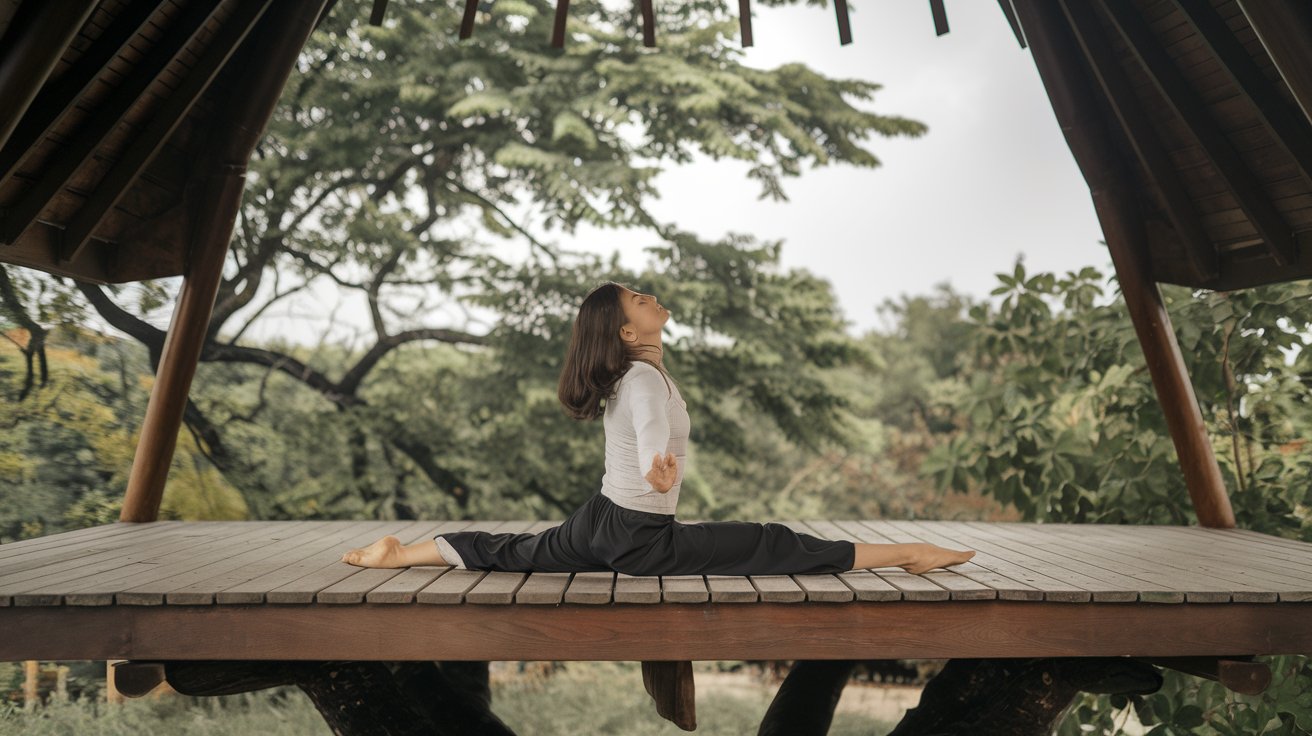
Yoga for trauma recovery has emerged as a scientifically validated approach to healing psychological wounds, with over 47% of trauma therapists in the United States now integrating body-based practices into treatment protocols as of 2026. This comprehensive guide explores how trauma-sensitive yoga helps release stored trauma from the body, restore nervous system regulation, and support long-term recovery. Whether you’re seeking healing from PTSD, childhood trauma, or acute stress, understanding the connection between body awareness and emotional processing can transform your recovery journey through specialized yoga practices designed specifically for trauma survivors.
Understanding Trauma and Its Impact on the Body
Trauma fundamentally alters how your body stores and processes experiences, creating persistent physiological responses that traditional talk therapy alone may not address. Research from the National Institute of Mental Health indicates that approximately 70% of adults in the United States have experienced at least one traumatic event, with 20% developing post-traumatic stress symptoms. When trauma occurs, the nervous system becomes dysregulated, often leaving individuals stuck in fight-flight-freeze responses. The body literally holds these memories in muscle tension, breathing patterns, and postural habits, creating what trauma specialists call somatic imprints that continue affecting daily life long after the traumatic event has passed.
The polyvagal theory, developed by Dr. Stephen Porges, explains how trauma disrupts the vagus nerve’s ability to regulate our nervous system effectively. This disruption manifests as hypervigilance, dissociation, chronic pain, digestive issues, and difficulty feeling safe in your own body. Traditional cognitive approaches address the narrative of trauma, but yoga for trauma recovery works directly with these physiological patterns. By engaging the body through intentional movement, breathwork, and present-moment awareness, trauma-sensitive yoga helps restore the communication pathway between body and mind, allowing the nervous system to recalibrate and process stored traumatic material safely.
What Makes Yoga Effective for Trauma Healing
Yoga addresses trauma recovery through multiple mechanisms that target both physiological and psychological aspects of healing. The practice activates the parasympathetic nervous system, which counteracts the chronic stress response common in trauma survivors. Studies published in the Journal of Traumatic Stress in 2025 demonstrated that participants practicing trauma-sensitive yoga for 10 weeks showed 43% reduction in PTSD symptoms compared to control groups. This effectiveness stems from yoga’s unique combination of body awareness, breathwork, and gentle movement that helps individuals reconnect with physical sensations without becoming overwhelmed. Unlike traditional exercise, yoga emphasizes internal awareness and choice, returning agency to trauma survivors who often feel powerless over their bodies and experiences.
The neurobiological changes induced by yoga include increased gray matter density in brain regions associated with emotional regulation, reduced amygdala reactivity, and enhanced connectivity in the prefrontal cortex. Research from Harvard Medical School shows that regular yoga practice increases GABA levels, a neurotransmitter that helps calm anxiety and promotes relaxation. Additionally, yoga cultivates interoception, the ability to sense internal body states, which trauma often disrupts. As practitioners learn to notice sensations, emotions, and impulses without judgment, they develop greater capacity to regulate their nervous system independently. This self-regulation skill proves invaluable for managing triggers, reducing dissociation, and building resilience throughout the recovery process.
Key Principles of Trauma-Sensitive Yoga
Trauma-sensitive yoga differs significantly from traditional yoga classes through its emphasis on safety, choice, and present-moment awareness rather than achievement or perfect form. The approach prioritizes creating an environment where practitioners feel empowered to make choices about their own bodies, a crucial element for survivors who experienced violations of bodily autonomy. In trauma-informed yoga settings, instructors use invitational language rather than commands, offering options like “you might consider” or “if it feels right for you” instead of directive instructions. This linguistic shift acknowledges each person’s unique experience and respects their internal wisdom about what feels safe. Classes typically avoid physical adjustments unless explicitly requested, maintain predictable structures, and ensure practitioners always have clear sight lines to exits.
The five fundamental principles guiding trauma-sensitive yoga practice include creating safety through predictable environments, emphasizing choice and control, using present-focused language, encouraging self-pacing, and normalizing diverse responses to poses. Instructors trained in trauma-sensitive approaches understand that certain poses or sensations might trigger traumatic memories, so they provide modifications without requiring explanations. The practice focuses on building body awareness gradually, helping participants notice sensations, breath, and movement patterns without judgment. Rather than pushing through discomfort, trauma-sensitive yoga teaches practitioners to respect their limits, recognize when they’re becoming activated, and employ grounding techniques. This approach creates a foundation of safety that allows genuine healing to emerge organically rather than forcing progress according to external timelines or expectations.
Best Yoga Practices for Trauma Recovery
Several specific yoga styles and practices demonstrate particular effectiveness for trauma recovery, each offering unique benefits that address different aspects of healing. Trauma Center Trauma-Sensitive Yoga (TCTSY), developed at the Justice Resource Institute, represents the most researched trauma-specific yoga protocol, with multiple clinical trials validating its effectiveness for PTSD treatment. This approach emphasizes interoception, choice-making, and present-moment awareness through carefully sequenced poses that help practitioners safely explore body sensations. Somatic yoga for trauma combines traditional asana practice with somatic experiencing techniques, focusing on tracking sensations, completing defensive movements that trauma interrupted, and releasing stored survival energy. These practices help resolve the physiological aspects of trauma that remain stuck in the nervous system.
Restorative yoga provides profound benefits for trauma recovery by utilizing props to fully support the body in comfortable positions held for extended periods, typically 5-20 minutes. This approach activates the parasympathetic nervous system deeply, offering a direct antidote to the chronic sympathetic activation that characterizes trauma responses. Yin yoga, which involves passive stretching held for 3-5 minutes, works with connective tissue where trauma specialists believe emotional memory resides, potentially facilitating release of stored trauma. Gentle vinyasa or flow practices that emphasize breath-synchronized movement help re-establish mind-body connection while building physical strength and confidence. The key across all these approaches involves finding what resonates with your individual nervous system, respecting your current capacity, and working with qualified instructors who understand trauma’s impact on the body.
Trauma Release Exercises and Techniques
Beyond traditional yoga poses, specific trauma release exercises help discharge stored survival energy and reset nervous system functioning. Trauma Release Exercises (TRE), developed by Dr. David Berceli, use a series of simple movements to induce therapeutic tremoring that releases muscular tension patterns associated with trauma. While distinct from yoga, many trauma-informed yoga classes incorporate similar principles of allowing involuntary body movements and sensations. Shaking practices, adapted from traditional spiritual traditions and animal behavior after threat, help complete the fight-or-flight response that trauma often interrupts. These exercises recognize that trauma isn’t just a psychological phenomenon but involves incomplete physiological processes that need resolution through body-based approaches.
Specific yoga-based trauma release techniques include dynamic bridge pose with pelvic movements to release hip and sacral tension, supported fish pose for opening the chest and throat where emotional expression gets blocked, and legs-up-the-wall pose for calming the nervous system. Cat-cow variations with spontaneous movement allow the spine to release holding patterns, while child’s pose modifications create a sense of safety and containment. Breathwork practices specifically designed for trauma include extended exhalation breathing (inhaling for 4 counts, exhaling for 6-8 counts) to activate the vagus nerve, coherent breathing at 5-6 breaths per minute to balance the nervous system, and alternate nostril breathing to integrate left-right brain hemispheres. These techniques, when practiced consistently, help trauma survivors regain control over their physiological responses and develop resilience against future stressors.
How Yoga Releases Trauma Stored in the Body
The concept of releasing trauma stored in the body refers to resolving incomplete survival responses and restoring normal nervous system functioning through somatic awareness and movement. When trauma occurs, the body mobilizes massive energy for survival, but if fight or flight wasn’t possible or successful, this energy remains trapped in the neuromuscular system. Yoga provides a safe container for this energy to complete its natural cycle through gentle, conscious movement combined with present-moment awareness. As practitioners move through poses, they often experience spontaneous emotional releases, tremoring, temperature changes, or memories surfacing—all signs that the nervous system is processing and integrating traumatic material that was previously too overwhelming to address.
The physiological mechanism behind trauma release involves several interconnected processes. First, yoga increases interoceptive awareness, allowing practitioners to notice subtle body sensations that trauma survivors often suppress or dissociate from. This awareness itself begins changing the neural networks associated with traumatic memory. Second, specific poses stimulate areas where tension concentrates—hips, jaw, shoulders, and psoas muscle—areas that commonly hold trauma-related contraction. As these areas receive gentle stretching and attention, the nervous system receives signals that threat has passed, allowing protective holding patterns to soften. Third, the combination of movement, breath, and mindful awareness activates the prefrontal cortex, which helps regulate the amygdala’s alarm response. This top-down regulation, combined with bottom-up somatic processing, creates comprehensive healing that addresses trauma’s multiple dimensions simultaneously.
Finding Qualified Trauma-Informed Yoga Instruction
Locating qualified trauma-informed yoga teachers significantly impacts recovery success, as improperly trained instructors might inadvertently trigger or re-traumatize students despite good intentions. Several organizations offer recognized trauma-sensitive yoga certifications in the United States, including the Trauma Center at JRI’s TCTSY certification, the Yoga Alliance’s Trauma-Informed certification, and specialized programs through the Center for Trauma and Embodiment at JRI. As of 2026, over 8,500 certified trauma-sensitive yoga facilitators practice in the United States, with concentrations in major metropolitan areas and increasing availability in rural communities through online platforms. When searching for “yoga for trauma recovery near me,” prioritize instructors specifically trained in trauma-sensitive approaches rather than general yoga teachers, as the skill sets differ substantially.
Indicators of quality trauma-informed instruction include explicit statements about trauma-sensitive approaches in class descriptions, use of invitational language throughout sessions, absence of unsolicited physical adjustments, and instructors who create predictable class structures while offering abundant modifications. Qualified teachers understand trauma responses like dissociation, hypervigilance, and activation, and possess skills to support students experiencing these states without pathologizing or over-intervening. Many effective programs now offer hybrid models combining in-person and online sessions, expanding access for individuals with mobility limitations, transportation barriers, or who feel safer practicing initially from home. Online platforms like YouTube host numerous trauma-informed yoga sequences, though working with a certified instructor, at least initially, ensures proper understanding of principles and personalized guidance for your specific recovery needs.
Trauma-Informed Yoga Certification Options
For yoga teachers and mental health professionals seeking to integrate trauma-informed approaches into their practice, several certification pathways offer comprehensive training as of 2026. The gold standard remains the Trauma Center Trauma-Sensitive Yoga (TCTSY) Facilitator Training, a 90-hour program combining didactic learning, supervised practice teaching, and personal yoga practice requirements. This certification, recognized by the International Society for Traumatic Stress Studies, costs approximately 2,800 dollars and qualifies graduates to teach evidence-based trauma-sensitive yoga in clinical and community settings. Alternative trauma-informed yoga certifications include programs through Yoga Alliance, which integrated trauma-informed training into their 200-hour and 500-hour teacher training standards in 2024, ensuring new yoga teachers receive foundational knowledge about trauma’s impact on students.
Several organizations now offer trauma-informed yoga certification online, increasing accessibility for practitioners in underserved areas or those with scheduling constraints. The Justice Resource Institute provides fully online TCTSY training modules, while organizations like Exhale to Inhale and Warriors at Ease offer specialized certifications focusing on specific populations including veterans, survivors of domestic violence, and individuals with substance use disorders. Some programs offer scholarship opportunities and sliding-scale tuition to increase diversity in the trauma-sensitive yoga field, recognizing that communities most impacted by trauma often face economic barriers to professional training. While completely free comprehensive certifications remain rare, introductory workshops and continuing education modules addressing trauma-informed principles are increasingly available without cost through nonprofit organizations and research institutions committed to expanding access to trauma-sensitive practices.
Integrating Yoga into Comprehensive Trauma Treatment
Yoga works most effectively for trauma recovery when integrated into comprehensive treatment plans that may include psychotherapy, medication when appropriate, social support, and other complementary approaches. The American Psychological Association’s 2025 clinical practice guidelines now recognize body-based interventions including yoga as effective adjunctive treatments for PTSD, recommending integration with evidence-based psychotherapies like EMDR or trauma-focused cognitive behavioral therapy. Yoga complements talk therapy by addressing the somatic aspects of trauma that verbal processing alone cannot reach, while therapy provides a space to make meaning of experiences and emotions that arise during yoga practice. This integrated approach addresses trauma’s multiple dimensions—cognitive, emotional, physical, and relational—creating more complete healing than single-modality treatments.
Effective trauma recovery programs increasingly incorporate yoga alongside other evidence-based modalities. Residential treatment centers, VA hospitals, and community mental health clinics throughout the United States now offer trauma-sensitive yoga as part of standard care, with insurance coverage expanding significantly since 2024. The integration typically involves collaboration between yoga instructors, therapists, psychiatrists, and case managers who communicate about treatment goals and client progress. Timing matters in trauma recovery—individuals in acute crisis or early stabilization phases may need more grounding-focused practices, while those further along in healing can safely explore deeper releases and emotional processing through yoga. Working with professionals who understand trauma’s trajectory and can adjust interventions accordingly ensures that yoga supports rather than overwhelms your nervous system’s capacity at each stage of recovery.
Establishing a Personal Trauma-Healing Yoga Practice
Creating a sustainable personal yoga practice for trauma recovery requires patience, self-compassion, and realistic expectations about the healing timeline. Begin with short sessions of 10-15 minutes focusing on simple, grounding poses rather than attempting hour-long practices that might overwhelm your nervous system. Consistency matters more than duration—practicing trauma-sensitive yoga three times weekly for 20 minutes produces better results than sporadic intensive sessions. Establish a dedicated practice space that feels safe, perhaps including elements like soft lighting, comfortable temperature, and minimal visual distractions. Having props like blankets, bolsters, and blocks allows modifications that honor your body’s current needs rather than forcing yourself into standard alignments that may feel threatening or uncomfortable.
When developing your trauma recovery yoga routine, incorporate practices addressing the three primary nervous system states: grounding techniques for when you feel anxious or hyperaroused, energizing practices for dissociative or hypoaroused states, and balancing sequences for maintenance. Track your responses to different poses and sequences, noting which practices help you feel more present, safe, and regulated. Some trauma survivors find that following online yoga for trauma recovery videos provides helpful structure, particularly during initial practice development, though eventually cultivating the ability to listen to your body’s wisdom and create spontaneous movement proves most empowering. Remember that healing isn’t linear—some days you’ll access deeper poses and emotions, while other days simply lying in supported child’s pose for ten minutes constitutes complete practice. Respecting these fluctuations rather than judging them embodies the trauma-sensitive principle of honoring where you are in each moment.
Scientific Evidence Supporting Yoga for Trauma Recovery
The scientific foundation for yoga in trauma treatment has strengthened considerably, with over 150 peer-reviewed studies published between 2020 and 2026 examining yoga’s effectiveness for PTSD, complex trauma, and related conditions. A landmark meta-analysis in the Journal of Clinical Psychology reviewed 27 randomized controlled trials involving 2,100 participants and found that yoga interventions produced significant reductions in PTSD symptoms, with effect sizes comparable to established psychotherapies. The research demonstrates that yoga specifically impacts the neurobiological systems disrupted by trauma, including the hypothalamic-pituitary-adrenal axis, autonomic nervous system, and inflammatory pathways. Brain imaging studies show that regular yoga practice increases hippocampal volume, which trauma typically shrinks, and enhances connectivity between brain regions responsible for emotional regulation and executive functioning.
Specific populations demonstrate particularly strong responses to yoga-based trauma interventions. Veterans participating in trauma-sensitive yoga programs show 35-40% reductions in PTSD symptom severity after 10-12 week interventions, according to Department of Veterans Affairs research conducted in 2025. Survivors of interpersonal violence, including domestic abuse and sexual assault, report significant improvements in body image, self-compassion, and emotion regulation following trauma-informed yoga participation. Studies focusing on complex developmental trauma indicate that yoga may be especially valuable for individuals with childhood trauma histories, as it addresses the fundamental disconnection from body and self that early trauma creates. The evidence increasingly supports yoga not just as complementary treatment but as a primary intervention for certain trauma presentations, particularly when combined with basic psychoeducation about trauma’s impact on the nervous system.
Addressing Common Challenges in Trauma Recovery Yoga
Practitioners frequently encounter specific challenges when beginning yoga for trauma recovery, understanding and preparing for these obstacles increases likelihood of sustained practice. Many trauma survivors initially experience increased anxiety when focusing on body sensations, as the body holds memories and feelings that were too overwhelming to process when trauma occurred. This activation isn’t a sign that yoga isn’t working but rather indicates that the nervous system is beginning to thaw frozen traumatic material. The key involves titrating exposure—working at the edge of your window of tolerance without becoming completely overwhelmed. If a pose or practice consistently triggers intense distress, modify it or skip it entirely, perhaps returning when you’ve built more capacity. Working with a qualified trauma-sensitive instructor helps navigate these challenges, as they can offer real-time modifications and grounding techniques when activation occurs.
Dissociation presents another common challenge in trauma yoga practice—rather than feeling too much, practitioners sometimes feel disconnected from their body and present moment. When you notice spacing out during practice, employ grounding techniques like pressing feet firmly into the floor, focusing on specific objects in the room, or engaging in more dynamic movement that requires attention. Some practitioners struggle with feelings of vulnerability in certain poses, particularly those that expose the front body or position you face-down without clear sight lines. Honor these responses by choosing modifications that feel safer, such as keeping eyes open, practicing near walls, or selecting poses that maintain your ability to see the environment. Patience with the process proves essential—trauma recovery through yoga typically unfolds over months and years rather than weeks, and progress appears in subtle shifts in body awareness, emotional regulation, and daily functioning rather than dramatic breakthrough moments.
Related video about yoga for trauma recovery
This video complements the article information with a practical visual demonstration.
Most asked questions about yoga for trauma recovery
Which yoga is best for healing trauma?
Trauma Center Trauma-Sensitive Yoga (TCTSY) represents the most evidence-based approach specifically designed for trauma recovery, with multiple research studies validating its effectiveness. This protocol emphasizes making choices about your own body, experiencing the present moment, and building interoception through carefully sequenced poses. Restorative yoga also proves highly effective by activating the parasympathetic nervous system and creating deep relaxation that counteracts trauma’s chronic stress activation. Ultimately, the best yoga for your trauma healing depends on your individual nervous system, trauma history, and current symptoms—what matters most is finding a trauma-informed instructor who creates a safe environment where you can explore body awareness at your own pace.
What are the 7 trauma release exercises?
The original Trauma Release Exercises (TRE) consist of seven specific movements designed to induce therapeutic tremoring that releases muscular tension patterns. These include a series of leg stretches and strengthening exercises performed in sequence: standing against a wall with knees bent, calf raises, standing and stretching hamstrings, standing with feet wide and dropping into a wide squat, lying down with feet together and knees falling open, supine pelvic lifts, and finally lying with knees bent and tremoring initiated. These exercises, developed by Dr. David Berceli, work by strategically fatiguing muscle groups to trigger the body’s natural shaking mechanism. While distinct from traditional yoga, many trauma-sensitive yoga classes incorporate similar principles of allowing involuntary movement and sensation to discharge stored survival energy from the nervous system.
Can yoga heal your trauma?
Yoga can significantly support trauma recovery and healing, though the word “heal” requires nuanced understanding—trauma healing involves integration rather than erasure of experiences. Research demonstrates that trauma-sensitive yoga effectively reduces PTSD symptoms, improves emotion regulation, decreases dissociation, and restores connection between mind and body. Studies show 35-43% reduction in trauma symptoms after 10-12 weeks of consistent practice. However, yoga works most effectively as part of comprehensive treatment including therapy, social support, and sometimes medication. Yoga addresses the somatic aspects of trauma that talk therapy alone cannot reach, helping resolve incomplete survival responses stored in the body. For many practitioners, yoga becomes a lifelong tool for managing trauma’s ongoing impacts rather than a quick fix, supporting continued growth, resilience, and embodied presence throughout recovery.
How do I release trauma stored in my body?
Releasing stored trauma from the body requires gentle, mindful approaches that allow your nervous system to process incomplete survival responses at a safe pace. Trauma-sensitive yoga proves particularly effective by combining movement, breathwork, and present-moment awareness to help complete interrupted fight-or-flight responses. Key practices include focusing on areas where trauma tension concentrates—hips, jaw, shoulders, and psoas muscle—through gentle stretching and conscious breathing. Somatic experiencing techniques help track sensations as they arise, allowing emotions and memories to surface without becoming overwhelming. Other effective approaches include TRE exercises that induce therapeutic tremoring, working with trauma-informed bodywork practitioners, engaging in bilateral stimulation through walking or dance, and practicing self-compassion as releases occur. Most importantly, work with qualified professionals who understand trauma, as releasing too much too quickly can re-traumatize rather than heal, while proper support creates safe conditions for genuine integration and recovery.
How often should I practice yoga for trauma recovery?
Most trauma specialists recommend practicing trauma-sensitive yoga 3-4 times weekly for optimal nervous system regulation and healing benefits. Consistency matters more than duration—shorter 15-20 minute sessions practiced regularly produce better results than sporadic hour-long classes. Research indicates that practitioners who maintain consistent practice for at least 10-12 weeks experience significant symptom reduction and improved functioning. However, individual needs vary considerably based on trauma severity, current symptoms, and nervous system capacity. Some days you might practice for 30 minutes, while other days simply lying in supported child’s pose for 5 minutes constitutes complete practice. Listen to your body rather than following rigid schedules, and remember that rest days allow integration of the nervous system changes yoga initiates. Working with a trauma-informed instructor helps calibrate appropriate frequency and intensity for your specific recovery stage.
Is online yoga effective for trauma recovery?
Online yoga for trauma recovery offers valuable accessibility, particularly for individuals with mobility limitations, transportation barriers, or those who initially feel safer practicing from home. Many practitioners find that recorded classes allow them to pause, modify, or end practice when needed without social pressure, creating essential safety for trauma survivors. However, in-person instruction provides benefits that virtual formats cannot replicate, including real-time feedback, energetic presence of a supportive instructor, and community connection with other practitioners. The ideal approach for many involves starting with a trauma-informed instructor either in-person or via live video sessions to learn foundational principles and receive personalized guidance, then supplementing with recorded practices once you understand your body’s responses. Platforms offering trauma-specific content with certified instructors provide better options than generic yoga videos. Ultimately, the most effective format is whichever you’ll practice consistently while feeling safe and supported throughout your recovery journey.
| Yoga Approach | Primary Benefits | Best For | Practice Frequency |
|---|---|---|---|
| Trauma-Sensitive Yoga (TCTSY) | Evidence-based PTSD reduction, interoception building, choice empowerment | PTSD, complex trauma, clinical settings | 3-4 times weekly, 45-60 minutes |
| Restorative Yoga | Nervous system regulation, deep relaxation, parasympathetic activation | Anxiety, hyperarousal, sleep issues | 2-3 times weekly, 60-90 minutes |
| Somatic Yoga | Trauma release, completion of survival responses, body awareness | Stored body tension, incomplete fight-flight | 3-5 times weekly, 30-45 minutes |
| Yin Yoga | Connective tissue release, emotional processing, stillness practice | Deep-seated trauma, chronic tension | 1-2 times weekly, 60-75 minutes |
| Gentle Vinyasa | Mind-body reconnection, strength building, breath awareness | Dissociation, rebuilding body confidence | 3-4 times weekly, 30-60 minutes |